Retro Script: A Vintage Handwritten Font for Timeless Design
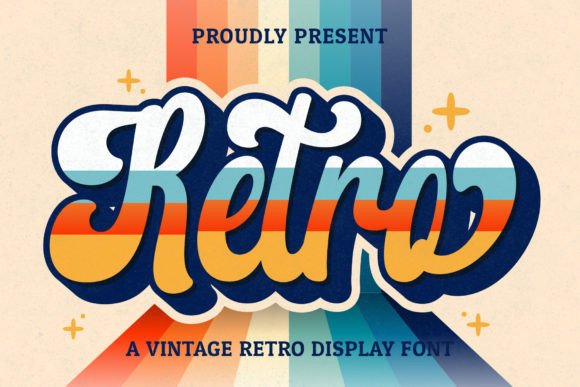
There’s something undeniably charming about a vintage handwritten font that instantly transports you to another era. Retro Script is exactly that—a cool, vintage-style handwritten font designed to add a special retro touch to any creative project. Whether you're working on a new logo, crafting wedding invitations, or designing eye-catching social media posts, this typeface brings a nostalgic yet polished feel that’s hard to ignore.
What makes Retro Script stand out is its authentic, hand-lettered aesthetic. It’s not just another script font; it carries the warmth and personality of classic typography, making it ideal for projects that need a personal, artisanal vibe. The fluid strokes and subtle imperfections give it a human touch, which can make designs feel more approachable and memorable.
Where Can You Use Retro Script?
This font is incredibly versatile. Its elegant curves and vintage flair make it a great fit for a wide range of applications. Here are just a few ideas to spark your creativity:
- Logo Design & Brand Identity: Use Retro Script to create distinctive logos for boutiques, cafes, craft brands, or lifestyle blogs. It helps establish a brand identity that feels both timeless and unique.
- Wedding & Event Stationery: From save-the-dates to menu cards, this font adds a romantic, handcrafted quality to invitations and stationery suites.
- Packaging & Labels: If you’re designing product packaging for artisanal goods, cosmetics, or gourmet foods, Retro Script can elevate the look with a premium, vintage appeal.
- Social Media Graphics: Create engaging posts, stories, or quotes that stand out in a crowded feed. The handwritten style adds personality and helps your content feel more authentic.
- Poster & Editorial Design: For magazines, book covers, or promotional posters, Retro Script works beautifully as a display font, drawing the eye without overwhelming other design elements.
Tips for Using This Font Effectively
While Retro Script is a stunning choice, it’s important to use it thoughtfully to get the best results. Here are some practical tips for incorporating it into your projects:
First, consider readability. Script fonts are best used for headlines, logos, or short text passages rather than body copy. Pair it with a clean sans serif or serif font for longer paragraphs to ensure your design remains easy to read.
Next, think about font pairing. Retro Script pairs wonderfully with simple, geometric typefaces or classic serif fonts. This contrast creates visual interest while maintaining a balanced, professional look. For example, try combining it with a modern sans serif for a fresh, contemporary feel.
Also, take advantage of the font’s PUA encoding. This means all glyphs, swashes, and alternates are easily accessible, giving you extra creative flexibility. You can customize the look of certain letters to better fit your design’s mood, whether you want something more decorative or subtly refined.
Finally, always check the license to ensure it fits your intended use—whether for personal projects, commercial work, or client deliverables. A well-chosen font is a valuable design asset, and using it correctly protects both your work and the creator’s rights.
Why the Right Font Matters
Typography plays a crucial role in how your audience perceives your design. The right font can strengthen brand recognition, convey emotion, and create a cohesive visual experience. A premium font like Retro Script doesn’t just look good—it helps communicate your project’s story and style effectively.
Whether you’re a designer, entrepreneur, or creative enthusiast, investing in a high-quality typeface can make a noticeable difference. It’s about more than just aesthetics; it’s about creating a professional, polished impression that resonates with your audience.
If you’re looking for a font that blends vintage charm with modern versatility, Retro Script is worth exploring. It’s a creative tool that can help bring your design ideas to life with authenticity and flair.